
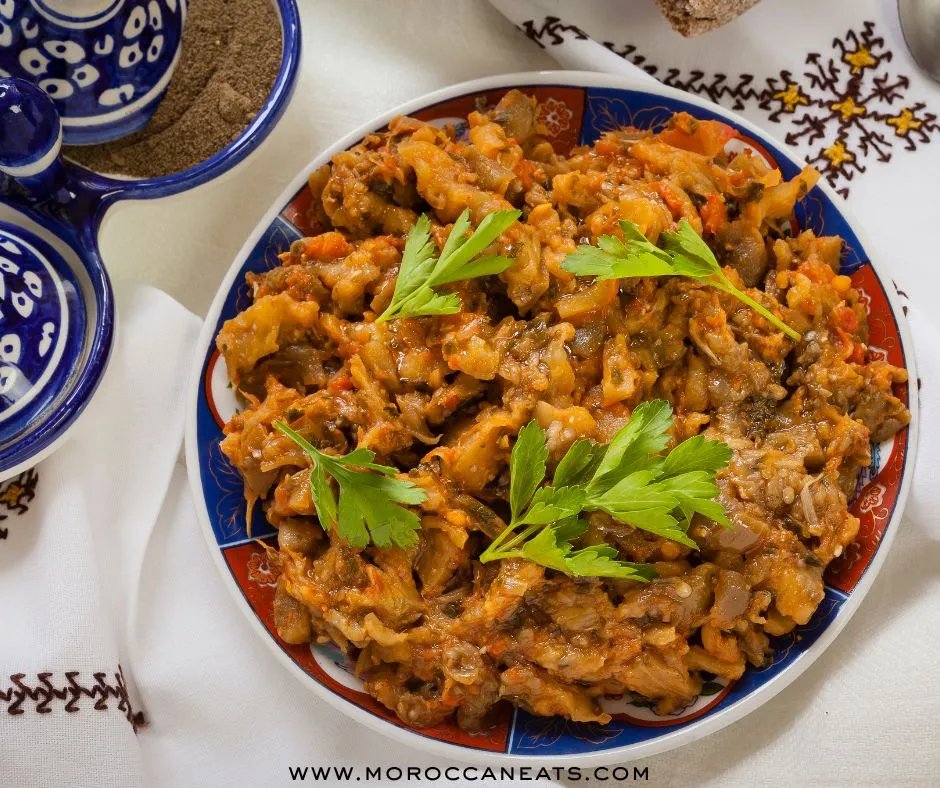
Experience the true essence of Moroccan cuisine with this delightful Zaalouk recipe
Imagine yourself in a lively Moroccan kitchen, surrounded by the enticing scents of charred eggplant and a medley of aromatic spices. In this scene, Zaalouk a warm, comforting dish made from creamy eggplants, ripe tomatoes, and a blend of fragrant spices captures the essence of Moroccan hospitality. Whether you’re serving it as a dip, a side, or even a salad, Zaalouk offers a taste of North Africa that’s both hearty and wholesome. Let’s dive into what makes this traditional Moroccan dish so beloved and how you can recreate its authentic flavors at home.
Table of Contents
Key Takeaways
- Zaalouk is a healthy, flavorful Moroccan dip made with eggplant, tomatoes, and spices.
- It’s incredibly versatile and can be served as a side dish, appetizer, or part of a larger meal.
- The dish is naturally vegan, gluten-free, and packed with nutrients, making it a great choice for a balanced diet.
What is Zaalouk? A Brief Introduction to This Moroccan Delight
Zaalouk is not just a dish; it’s an experience that brings the vibrant flavors of Moroccan cuisine to life. But what exactly is this popular Moroccan recipe that has won the hearts of food enthusiasts worldwide? Let’s dive into the rich history and unique qualities of Zaalouk, a dish that combines simplicity and robust flavors.
Zaalouk is a Moroccan eggplant salad or dip made from tender, cooked eggplant and tomatoes, flavored with spices such as cumin, paprika, and garlic. It’s often served as a side dish, appetizer, or part of a Moroccan mezze spread, perfect for dipping with warm, crusty bread. If you’ve never tasted Zaalouk before, think of it as the Moroccan cousin to baba ganoush, but with a delightful twist of herbs and spices.
Origins of Zaalouk in Moroccan Cuisine
Like many traditional dishes, Zaalouk has deep roots in Moroccan history, influenced by the country’s diverse culture and regions. The dish, often associated with home cooking, originates from the souks (markets) of Morocco, where locals would prepare it with fresh, seasonal vegetables. It reflects the simplicity and versatility of Moroccan cooking flavors that burst from humble ingredients.
Key Characteristics of Zaalouk
The beauty of Zaalouk lies in its balance of flavors. It blends the smoky, tender texture of eggplant with the sweetness of ripe tomatoes, all brought together by the earthy warmth of cumin and paprika. Garlic, olive oil, and fresh herbs like parsley and cilantro add brightness and complexity to the dish, making it irresistible.
Whether you enjoy it warm or at room temperature, Zaalouk is a delightful, healthy choice that brings a taste of Moroccan tradition to your table. Are you ready to learn how to make this amazing dish? Let’s get started!
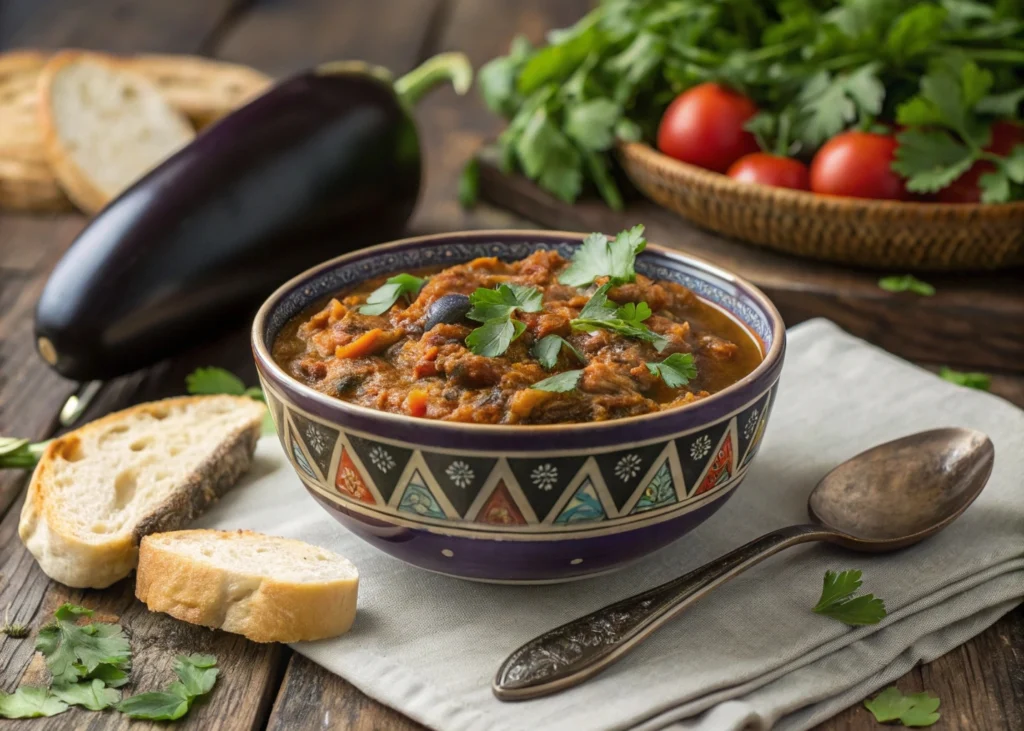
“The secret to a perfect Zaalouk is in the balance of flavors. Let each ingredient shine without overpowering the others this is the art of Moroccan cooking.” – Chef Hassan Ben Ali, Moroccan Culinary Expert
Ingredients for an Authentic Moroccan Zaalouk Recipe
Now that you know a little more about the history of Zaalouk, let’s take a look at the essential ingredients that will help you create this Moroccan masterpiece. The beauty of this dish lies in its simplicity, and the ingredients are easy to find at your local grocery store.
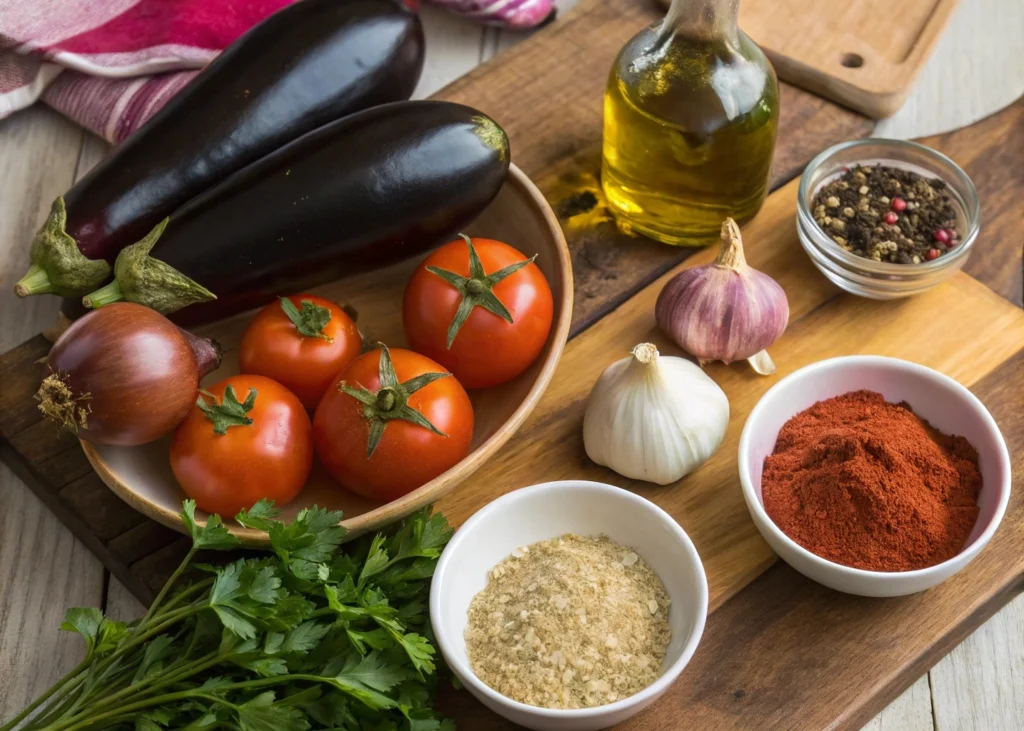
Essential Ingredients
- Eggplant: The heart of Zaalouk, providing the smoky flavor and soft texture.
- Tomatoes: Fresh, ripe tomatoes give the dish its natural sweetness and juicy base.
- Garlic: Adds an aromatic, savory depth to the dish.
- Olive Oil: Enhances the flavors and gives Zaalouk its luxurious texture.
- Cumin: A staple in Moroccan cooking, cumin imparts warmth and earthiness.
- Paprika: Sweet paprika gives the dish a subtle smokiness.
Optional Additions for Enhanced Flavor
- Lemon Juice: A splash of citrus can brighten up the dish and balance the rich flavors.
- Cilantro and Parsley: Fresh herbs provide a burst of color and freshness.
- Chili Peppers: For a spicy kick, adding chili peppers can give Zaalouk an extra zing.
Ingredient Substitutes for Dietary Preferences
If you’re vegan, gluten-free, or have other dietary preferences, rest assured that Zaalouk is naturally vegan and gluten-free. The ingredients are wholesome and adaptable. For those who are sensitive to garlic, you can easily reduce the amount or leave it out.
Here’s a handy table to guide you through the essential ingredients and their measurements for a classic Moroccan Zaalouk recipe:
| Ingredient | Quantity |
|---|---|
| Eggplant (large) | 2, peeled and chopped |
| Tomatoes (ripe) | 4, chopped |
| Garlic (cloves) | 3, minced |
| Olive Oil | 2 tbsp |
| Ground Cumin | 1 tsp |
| Ground Paprika | 1 tsp |
| Salt | 1 tsp |
| Fresh Parsley | 2 tbsp, chopped |
This combination of ingredients guarantees a perfect, flavorful Zaalouk every time. Now that we’ve covered the ingredients, let’s move on to the next step: cooking your Zaalouk to perfection!
Step-by-Step Guide to Making Moroccan Zaalouk
Ready to make your own Moroccan Zaalouk? Let’s break down the process step by step, ensuring you create a dish bursting with flavor. This simple recipe is easy to follow, making it perfect for beginners and seasoned cooks alike.
Preparing the Ingredients
Before you dive into cooking, it’s essential to get everything ready. Start by peeling the eggplants and cutting them into small chunks. Chop the tomatoes into small pieces as well. If you’re using fresh garlic, mince it finely. Having all your ingredients prepped and ready makes cooking Zaalouk a breeze!
Cooking the Eggplant and Tomatoes
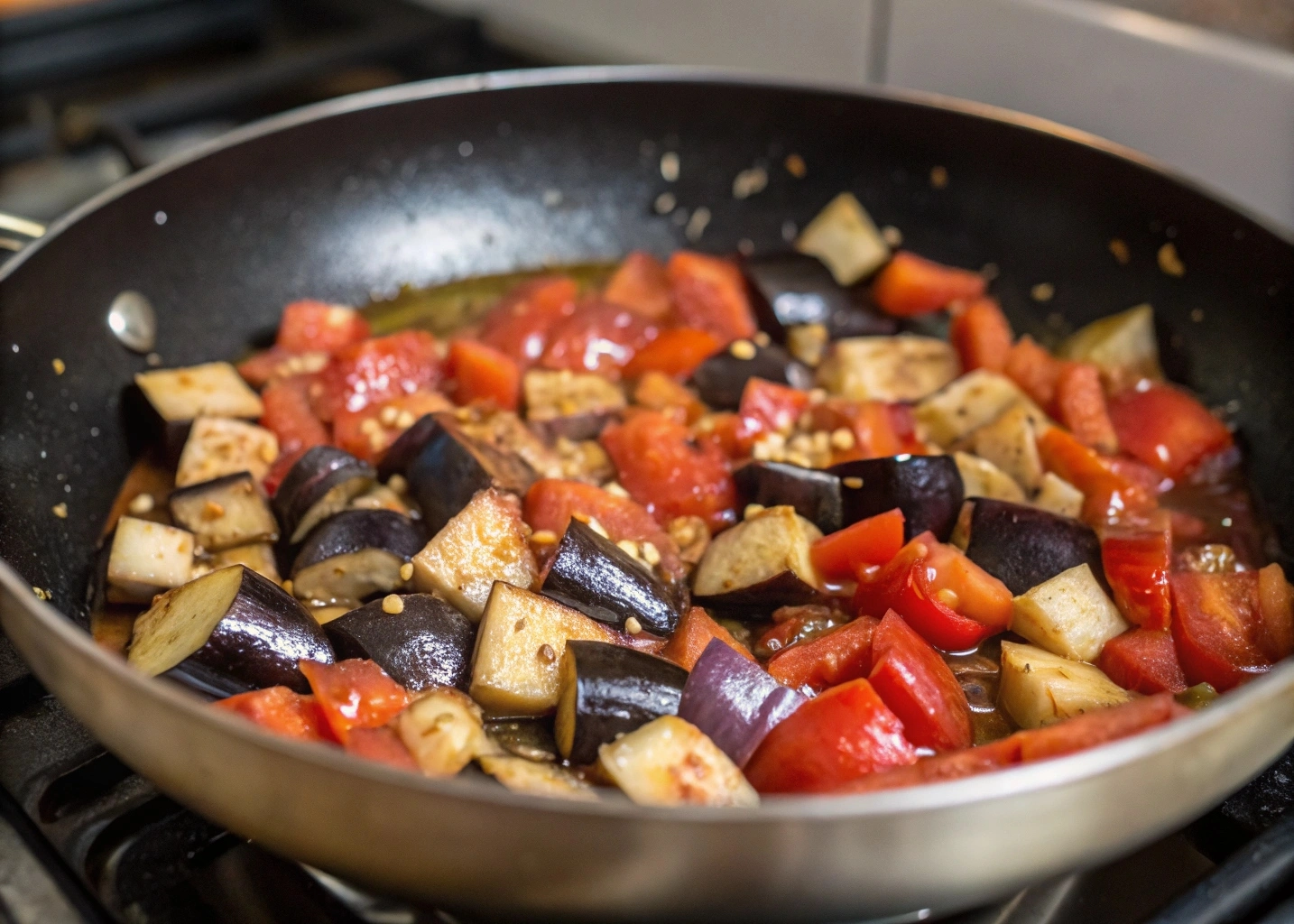
- Sauté the garlic in a large skillet with a couple of tablespoons of olive oil over medium heat. This will release its fragrance and enhance the flavor of the dish.
- Once the garlic is golden, add the chopped eggplant to the pan and cook until it starts to soften (about 5-7 minutes). The eggplant should become tender and slightly caramelized at the edges, adding depth to the flavor.
- Add the chopped tomatoes, cumin, and paprika. Combine all ingredients thoroughly, ensuring that the spices evenly cover the vegetables. Let the mixture cook for about 10-15 minutes, until the tomatoes break down and the eggplant is fully tender.
Blending and Seasoning the Zaalouk
Once the vegetables are cooked, it’s time to turn the mixture into a smooth, flavorful dip. Use a potato masher or a blender to mash the mixture to your desired consistency. Some like it smooth, while others prefer a more rustic texture.
Season with salt, black pepper, and a drizzle of fresh olive oil to enhance the richness of the dish. If you like a bit of heat, now’s the time to add chili flakes or finely chopped chili peppers.
Final Touches and Presentation
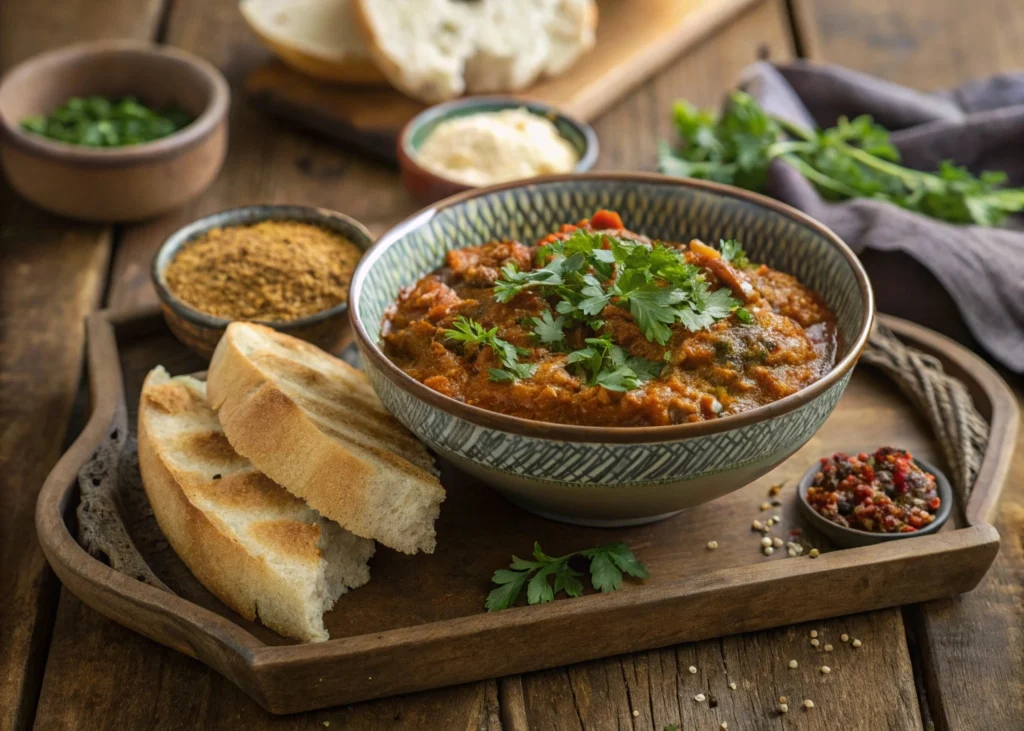
Once the Zaalouk has been properly seasoned and the texture aligns with your preference, it’s ready to be served.Garnish with fresh cilantro or parsley, and serve the Zaalouk with crusty bread or as part of a larger Moroccan meal. Enjoy the flavors and textures that this classic Moroccan dish offers!
Tips for Perfecting Your Zaalouk Recipe
Making Moroccan Zaalouk is easy, but to really master it, there are a few key tips and tricks you can follow. Whether you’re a first-time cook or an experienced one, these tips will help you create the best Zaalouk every time.
Common Mistakes to Avoid
- Not cooking the eggplant long enough: Eggplant should be soft and tender, but not mushy. Make sure to cook it until it achieves the ideal level of doneness!
- Overseasoning with spices: While cumin and paprika are the key spices, balance is key. Taste as you go and adjust the seasoning. Too much cumin can overwhelm the flavor.
- Skipping the mashing: For the best texture, mash the eggplant and tomato mixture well. A rustic, chunky version is also delicious, but make sure the flavors are well blended.
Enhancing Flavor with Spices
- Smoked Paprika: If you want a deeper, smokier flavor, use smoked paprika instead of regular paprika.
- Add a touch of lemon juice for brightness: A squeeze of fresh lemon juice at the end adds a refreshing contrast to the richness of the eggplant.
Serving Suggestions
Serve your Zaalouk with traditional Moroccan bread (khobz) for dipping or use it as a side dish to complement grilled meats, couscous, or other Moroccan salads. It’s also a perfect appetizer for a mezze platter.
Health Benefits of Zaalouk
Not only does Zaalouk taste amazing, but it’s also a healthy addition to your diet! Packed with nutritious ingredients, this dish provides a wealth of health benefits.
Nutritional Value of Key Ingredients
- Eggplant: Low in calories and high in fiber, eggplant helps support digestion and is full of antioxidants.
- Tomatoes: Rich in vitamin C and lycopene, tomatoes help boost immunity and protect the skin.
- Garlic: Known for its immune-boosting properties, garlic also has heart-healthy benefits.
- Olive Oil: A great source of healthy fats, olive oil supports heart health and provides anti-inflammatory benefits.
Why Zaalouk is a Healthy Dish
Zaalouk is not only flavorful, but it’s also made with whole foods that are low in calories and rich in nutrients. This presents an excellent choice for individuals seeking to maintain a healthier diet while still enjoying flavorful meals.
Zaalouk in a Balanced Diet
Incorporating Zaalouk into your diet provides a great way to enjoy a plant-based, low-carb meal that’s rich in vitamins and antioxidants. It’s a great side dish for a balanced meal and works wonderfully as part of a Mediterranean-inspired eating plan.
Frequently Asked Questions about Moroccan Zaalouk
1. What is the origin of Moroccan Zaalouk?
Zaalouk originates from Morocco and is part of the North African tradition of rich, vegetable-based dishes. It’s enjoyed as a side dish or salad, highlighting Morocco’s love for fresh ingredients and bold spices.
2. Can Zaalouk be prepared in advance?
Absolutely! In fact, the flavors often deepen when Zaalouk is made a day ahead. Refrigerate the dish and warm it gently prior to serving, or savor it cold as a salad.
3. Is Zaalouk traditionally served hot or cold?
It can be served both ways! Many enjoy it warm as a comforting side dish, while others prefer it cold as a refreshing salad.
4. How can I store leftover Zaalouk?
Zaalouk stores well in an airtight container in the fridge for up to four days. Freezing isn’t recommended, as the texture can become watery upon thawing.
5. What can I use as a substitute for eggplant in Zaalouk?
While eggplant is traditional, zucchini can be used for a similar creamy texture. The taste may vary somewhat, yet it will remain delightful.
Conclusion: Savor the Genuine Flavors of Morocco through Homemade Zaalouk
Making Moroccan Zaalouk at home is easier than you might think! With a few simple ingredients and easy-to-follow steps, you can enjoy this flavorful and healthy dish. Whether served with bread, as a salad, or as part of a mezze platter, Zaalouk is sure to impress.
Enjoy the flavors of Morocco, and share your Zaalouk creation with friends and family.