


What is Moroccan Harissa?
Moroccan Harissa is a vibrant, spicy chili paste that adds a bold, savory flavor to various dishes. Originating from North Africa, it’s a key component of Moroccan cuisine and is used in everything from meats and vegetables to soups and stews. This versatile paste is made from simple ingredients like dried red chilies, garlic, olive oil, and spices, yet its flavor is anything but simple.
Harissa is not just about heat it’s a balanced mix of smokiness, tanginess, and depth of flavor, often highlighted by the aromatic spices that accompany the chilies. Whether you’re using it as a marinade, condiment, or even a cooking base, harissa elevates any dish it touches.
Table of Contents
Key Takeaways from Making and Using Moroccan Harissa
- Flavorful & Versatile: Moroccan Harissa is a spicy, aromatic condiment that can elevate meats, vegetables, and even soups. Its versatility in various dishes makes it a must-have in your kitchen.
- Health Benefits: Packed with vitamins, antioxidants, and anti-inflammatory properties, harissa is not only delicious but also good for your health when consumed in moderation.
- Easy to Store: Whether you store it in the fridge, freeze it, or preserve it in olive oil, harissa can last for weeks, ensuring you always have it on hand for your next meal.
The Origin and Cultural Significance
Harissa dates back to ancient times in Tunisia, but over the centuries, it spread across North Africa, with each country adding its own twist. In Morocco, harissa is more than just a condiment; it’s a staple ingredient in home-cooked meals, reflecting the country’s rich culinary traditions. Traditionally, harissa was made in a mortar and pestle, and it’s still lovingly crafted this way in many Moroccan kitchens.
Key Ingredients of Authentic Harissa
To create an authentic Moroccan harissa, the right ingredients are essential. The core ingredients include:
Lemon Juice: A touch of acidity to balance the bold flavors.
Dried Red Chili Peppers: These provide the heat and the base flavor.
Garlic: A key aromatic that adds depth and richness.
Olive Oil: This helps smooth out the texture and adds richness.
Spices: Cumin, coriander, and smoked paprika add complexity and smokiness.

How to Make Moroccan Harissa at Home
Making your own Moroccan Harissa at home is simple and rewarding! With just a handful of ingredients, you can recreate this iconic North African chili paste in your kitchen. Here’s a step-by-step guide to making a quick and authentic Moroccan Harissa.
Step-by-Step Guide to Preparing Harissa
Follow these easy steps to create your homemade Moroccan harissa:
Taste and Adjust
Taste the harissa and adjust the seasoning to your liking. If you want it spicier, you can add more chiles, or for a milder version, reduce the amount of chili.
Soak the Dried Chiles
Start by removing the stems and seeds from your dried red chili peppers. Place them in a bowl and cover them with hot water. Let them soak for about 20-30 minutes to soften.
Prepare the Spices
While the chiles are soaking, prepare the spices. In a dry pan, lightly toast the cumin, coriander, and smoked paprika over medium heat for about 2-3 minutes, just until they’re fragrant.
Blend the Ingredients
Once the chiles have softened, drain the water and transfer the chiles to a food processor. Add the garlic, toasted spices, and salt. Blend everything together until it forms a paste.
Add Olive Oil and Lemon Juice
Slowly add the olive oil while blending to create a smooth, velvety paste. Then, add the lemon juice to give the harissa that perfect tang. Continue blending until the texture is smooth and spreadable.
Tips for Achieving the Perfect Flavor
- Use a Variety of Chilies: For a richer flavor, mix different types of dried chilies such as guajillo or poblano peppers along with the traditional red chiles.
- Balance the Heat: If you’re sensitive to heat, remove the seeds from the chilies before soaking. Alternatively, increase the number of chiles for a spicier kick.
- Add Herbs for Extra Flavor: Some people like to add fresh herbs such as cilantro or mint for a unique twist.
- Storing Harissa: Harissa can be stored in an airtight container in the fridge for up to 1-2 weeks. For longer storage, you can freeze it in ice cube trays for easy use later!
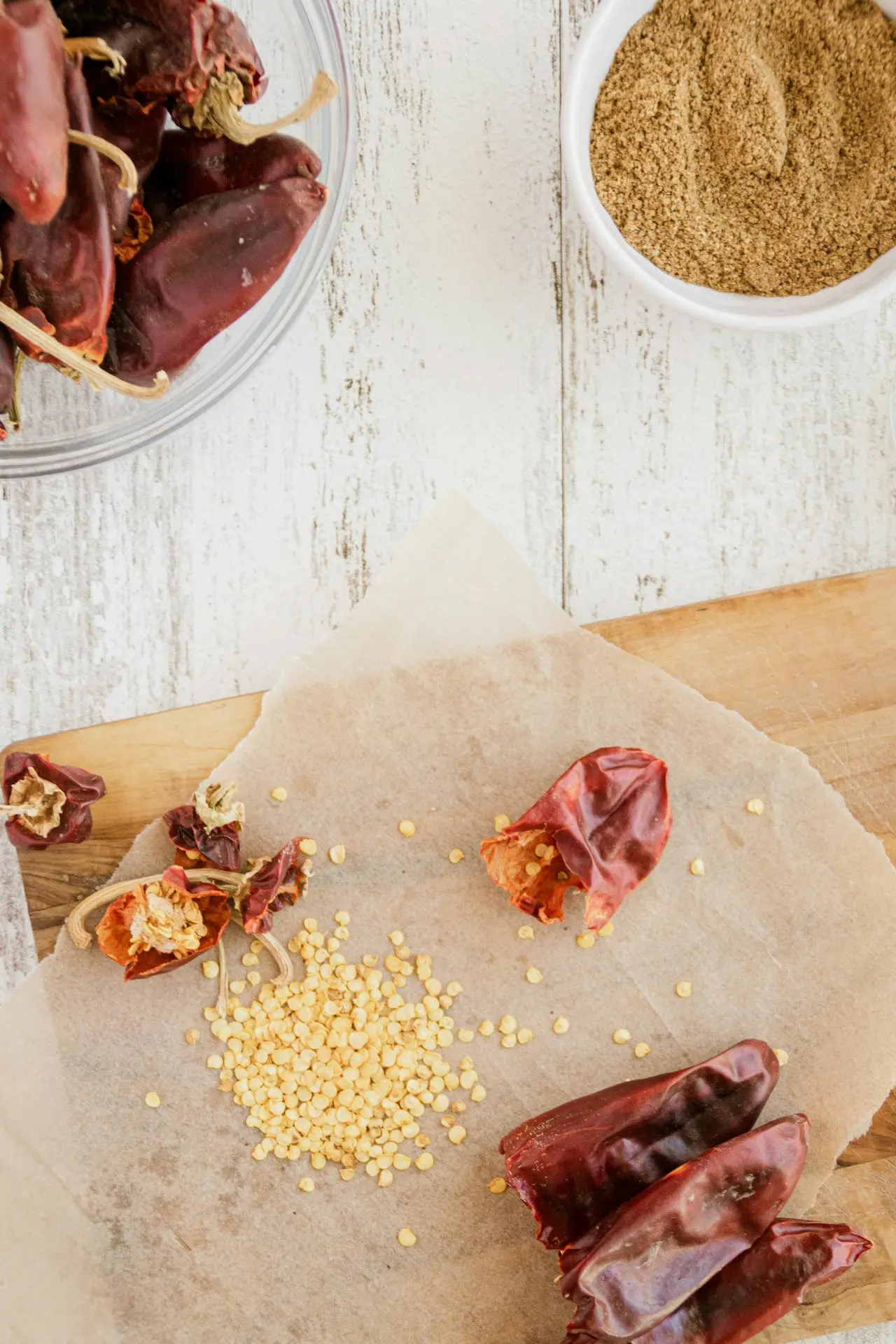
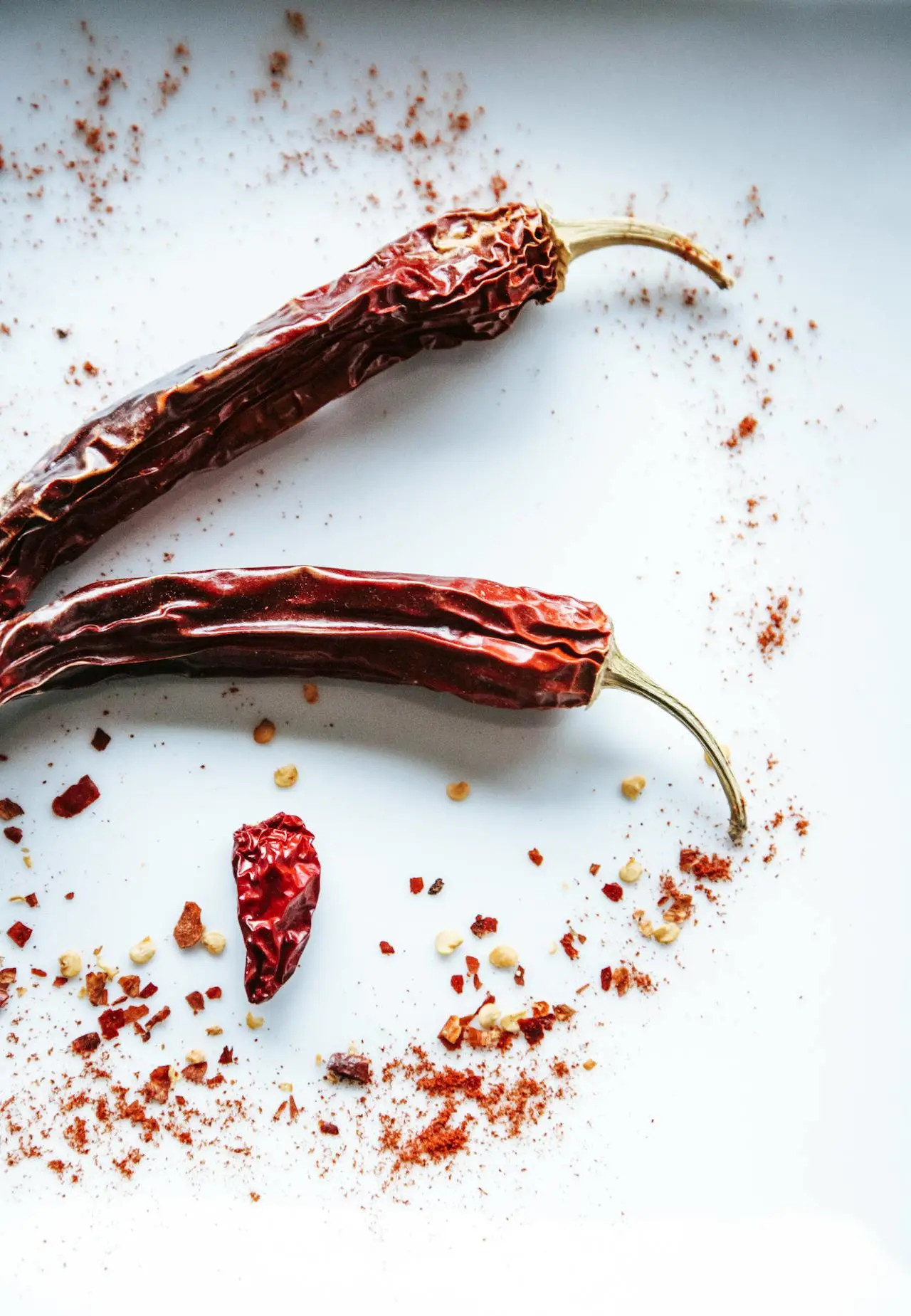
Ingredients for a Quick & Authentic Moroccan Harissa Recipe:
| Ingredient | Amount |
|---|---|
| Dried Red Chili Peppers | 8-10 peppers |
| Garlic Cloves | 4 cloves |
| Olive Oil | 4 tablespoons |
| Ground Cumin | 1 teaspoon |
| Ground Coriander | 1 teaspoon |
| Smoked Paprika | 1 teaspoon |
| Lemon Juice | 2 tablespoons |
| Salt | ½ teaspoon |
| Roasted Red Bell Pepper (optional) | 1 pepper |
These ingredients come together to create a harmonious balance of heat, spice, and a subtle tanginess that defines Moroccan harissa.

Step-by-Step Guide to Making Moroccan Harissa
- Soak the Chili Peppers: Soak dried red chili peppers in warm water for about 30 minutes until they soften.
- Remove Seeds: Drain the peppers and remove the seeds if you prefer a milder flavor.
- Combine Ingredients: In a food processor, combine the soaked chili peppers, minced garlic, ground cumin, ground coriander, smoked paprika, and caraway seeds.
- Add Liquids: Add a splash of fresh lemon juice and a generous drizzle of olive oil.
- Blend: Blend the mixture until it forms a smooth, thick paste, adding more olive oil if needed to achieve your desired consistency.
- Season: Season with salt to taste.
- Serve: Your homemade Moroccan Harissa is ready to spice up your dishes!

Creative Ways to Use Harissa in Dishes
Moroccan Harissa is incredibly versatile, and once you’ve made a batch, you’ll want to incorporate it into as many meals as possible. From marinades to sauces and beyond, harissa can add depth, heat, and flavor to your dishes in various ways.
Harissa as a Marinade
One of the best ways to use harissa is as a marinade. The heat from the chili peppers combined with the rich flavors of garlic, cumin, and coriander infuses meats, poultry, and even vegetables. Here’s how to use it:
- Chicken: Coat boneless chicken thighs with harissa and let them marinate for a few hours (or overnight) before grilling or roasting.
- Lamb: Mix harissa with olive oil, lemon juice, and some fresh herbs like mint for a fragrant marinade that enhances lamb chops or leg of lamb.
- Vegetables: For a vegetarian option, toss root vegetables (like carrots, sweet potatoes, or cauliflower) in harissa and roast them for a flavorful, spiced dish.
Harissa in Soups and Stews
Harissa makes an excellent addition to soups and stews, providing a rich layer of heat and complexity. Just a spoonful can take your favorite recipes to the next level. Try these ideas:
- Moroccan Tagine: Stir a tablespoon of harissa into a slow-cooked tagine to enrich the flavor of the stew.
- Chickpea Soup: Add harissa to a hearty chickpea soup for extra heat and flavor. The creamy texture of the soup balances the boldness of the harissa.
- Lentil Stew: Mix harissa into a lentil stew for a comforting and spicy meal that’s both healthy and filling.
Harissa as a Condiment
Sometimes, the simplest way to use harissa is as a condiment to add a spicy punch to your meal. Here are some ways to serve harissa alongside your dishes:
- Sandwiches and Wraps: Spread harissa on wraps or sandwiches to spice up your lunchtime meals.
- Salads: Use harissa as a dressing base by mixing it with olive oil and lemon juice. It pairs wonderfully with grain salads like quinoa or couscous.
- Eggs: For a delicious breakfast or brunch, top scrambled eggs, eggs in a hole, or a frittata with a dollop of harissa for extra flavor.

Health Benefits of Moroccan Harissa
While Moroccan Harissa is known for its bold and spicy flavor, it’s also packed with health benefits. The ingredients that make up harissa dried chili peppers, garlic, and spices each offer unique nutritional properties that can contribute to your overall well-being.
Nutritional Value of Harissa
Harissa is a nutrient-dense sauce that’s relatively low in calories but high in vitamins and minerals. Here are some key components:
- Chili Peppers: Packed with vitamin C, chili peppers help boost your immune system and improve skin health. They also contain capsaicin, which is known for its anti-inflammatory properties.
- Garlic: Garlic is rich in antioxidants and has been linked to heart health benefits. It can also help lower blood pressure and reduce the risk of certain cancers.
- Olive Oil: A key ingredient in Moroccan cuisine, olive oil provides monounsaturated fats, which are heart-healthy and can reduce the risk of cardiovascular diseases.
Spices and Their Health Benefits
The spices in harissa cumin, coriander, and smoked paprika not only enhance the flavor but also contribute to various health benefits:
- Cumin: Known for its digestive benefits, cumin helps with indigestion and bloating. It also has anti-inflammatory and antioxidant properties.
- Coriander: Coriander is rich in vitamins A and K, and it is often used to help lower blood sugar levels and reduce the risk of heart disease.
- Smoked Paprika: This spice is high in vitamin A, which promotes good vision, and is also packed with antioxidants that help protect your body from oxidative stress.
How Harissa Can Fit Into a Healthy Diet
Incorporating harissa into your meals can be a great way to add flavor without extra calories. Here are some ways to use harissa in a balanced diet:
In Moderation: While harissa is healthy, it’s best to use it in moderation if you’re sensitive to heat or have digestive issues with spicy foods.
As a Low-Calorie Spice: Use harissa as a low-calorie substitute for other sauces or dressings that are higher in fat or sugar.
With Vegetables and Whole Grains: Pair harissa with vegetables like roasted cauliflower or quinoa for a healthy, satisfying meal.
Quote:
“Harissa isn’t just a fiery sauce it’s a powerhouse of health benefits, from boosting immunity to improving digestion!”

Storing and Preserving Moroccan Harissa
Once you’ve made your own batch of Moroccan Harissa, you’ll want to store it properly to maintain its freshness and flavor. Whether you plan to use it right away or save some for later, there are several effective methods to preserve your harissa and ensure it lasts as long as possible.
Best Practices for Storing Harissa
Harissa can be stored in a few different ways, depending on how long you want to keep it. Here’s how to store it safely:
Refrigeration:
Transfer your harissa into an airtight container and store it in the fridge for up to two weeks. The cool temperature will preserve the freshness while preventing the oils in the harissa from spoiling.
Freezing:
For longer storage, freeze harissa in ice cube trays or small portions. This method allows you to defrost only what you need without wasting any. You can store frozen harissa for up to 3 months.
Oil Preservation:
You can also store harissa submerged in olive oil. Pour a thin layer of olive oil over the top of the harissa in a jar, and seal it tightly. This creates a barrier that helps preserve the paste’s flavor for up to 2-3 weeks in the fridge.
Signs of Spoilage to Watch For
While harissa has a long shelf life if stored properly, it’s important to keep an eye on any signs of spoilage:
Mold growth: If you notice mold on the surface, toss the harissa immediately.
Off smell: If your harissa smells rancid or sour, it’s best to discard it.
Discoloration: A change in color may indicate that the harissa is past its prime. If it turns brown or loses its vibrant red hue, it’s a sign that the chili oils are degrading.
Using Leftover Harissa
You don’t have to worry about leftover harissa going to waste. Here are a few ways to use it up before it spoils:
- Spread on Sandwiches or Wraps: Add a spicy kick to your sandwiches or wraps by spreading harissa on the bread or filling.
- Mix with Yogurt or Sour Cream: Combine harissa with yogurt or sour cream to create a creamy dipping sauce for veggies or chips.
- Flavorful Salad Dressing: Mix harissa with olive oil, lemon juice, and a bit of honey for a tangy, spicy salad dressing.


Conclusion – Why You Should Try Moroccan Harissa
Moroccan Harissa is more than just a hot sauce it’s an essential element of Moroccan cuisine that offers incredible depth of flavor and a host of health benefits. Its rich combination of chili peppers, garlic, and spices brings a fiery kick to a wide range of dishes, making it perfect for both everyday meals and special occasions.
Whether you’re using it as a marinade, in soups, or as a simple condiment, harissa is sure to spice up your cooking and make your meals unforgettable. If you haven’t tried it yet, now’s the time to bring this bold sauce into your kitchen!
Q&A Section
Q: Can I make a milder version of Moroccan Harissa?
A: Yes! To reduce the heat, simply use fewer chili peppers or substitute milder varieties like poblano or bell peppers. You can also reduce the amount of chili oil used in the recipe.
Q: How long can I store homemade Harissa?
A: When stored properly, Moroccan Harissa can last for up to two weeks in the fridge. If you want to keep it for longer, freezing it in ice cube trays is a great option!
Q: What can I substitute for chili peppers in Harissa?
A: If you can’t find dried chili peppers, you can use chili flakes or even fresh chili peppers. Adjust the amount depending on your heat preference.


16 thoughts on “Irresistible Quick & Authentic Moroccan Harissa Recipe for Any Dish”