

Moroccan Semolina Bread Harcha Recipe: Crispy, Buttery, and Easy to Make!
There’s something about the simplicity of homemade bread that stirs up warm memories. Imagine sitting down with a steaming cup of Moroccan mint tea, accompanied by golden, crispy Harcha its buttery aroma filling the room. This isn’t just a recipe; it’s an experience that connects you to Morocco’s rich culinary traditions.
Whether you’re new to Moroccan cooking or simply craving a comforting treat, this guide will show you how to master the art of making Harcha. By the end, you’ll have all the tools you need to recreate this delicious bread at home.
Table of Contents
What Is Moroccan Harcha?
Harcha (also spelled Harsha) is a traditional Moroccan flatbread made primarily from semolina, butter, and milk. Its name, which translates to “rough” or “gritty” in Arabic, refers to the coarse texture of the semolina that gives the bread its signature crumbly and slightly grainy surface. Harcha is a beloved staple in Moroccan cuisine, often enjoyed as a breakfast or afternoon snack, paired with tea, honey, jam, or soft cheese.
Ingredients and Preparation
Harcha is made with a few simple, pantry-friendly ingredients, yet the result is deeply satisfying and versatile. The key components typically include:
- Fine or medium semolina (not wheat flour)
- Butter (or sometimes olive oil for a lighter version)
- Milk (or occasionally water for a slightly different texture)
- Sugar (optional, for a slightly sweet flavor)
- Salt
- Baking powder (to help achieve a light and tender texture)
The dough is prepared by mixing semolina with melted butter until the grains are evenly coated, creating a sandy texture. Milk is then gradually added until a soft, moldable dough forms. The dough is shaped into small, round patties, often flattened into discs about 1 cm (½ inch) thick.
Unlike traditional bread, Harcha is cooked on a griddle or skillet rather than baked in an oven. The patties are gently cooked over low heat, allowing them to develop a beautiful golden crust on the outside while remaining soft and tender on the inside.
Texture and Flavor
The beauty of Harcha lies in its unique texture and rich, buttery flavor. The exterior is slightly crisp and golden, while the interior remains soft, crumbly, and melt-in-your-mouth tender. Depending on the preparation, Harcha can be made slightly sweet or savory, making it adaptable to a variety of accompaniments.
How Is Harcha Served?
Harcha is incredibly versatile and can be served in numerous ways:
- With Honey and Butter: A classic and popular pairing, where warm Harcha is split open and drizzled with honey and melted butter.
- With Cream Cheese or Jam: Perfect for a sweet breakfast treat or afternoon snack.
- Savory Style: Some versions are served with cheese spreads, olive tapenade, or even savory stews.
In Moroccan households, Harcha is often enjoyed alongside a steaming glass of Moroccan mint tea, creating a cozy and satisfying experience.
Cultural Significance
Harcha is more than just a type of bread it’s a symbol of Moroccan hospitality and comfort food. It’s commonly prepared for family gatherings, festive occasions, or simply as an everyday treat. The flatbread’s ease of preparation and affordable ingredients make it accessible to people across all regions of Morocco.
In rural areas, Harcha might still be cooked over traditional clay griddles, imparting an earthy flavor that’s hard to replicate in modern kitchens. Meanwhile, urban households have adapted the recipe to stovetop griddles and non-stick pans, making it a practical addition to their culinary repertoire.
Ingredients for the Perfect Moroccan Harcha
Before we get started with the preparation, let’s take a moment to gather everything you’ll need. Using the right ingredients in precise amounts is key to achieving that perfect balance of crunch and fluffiness.
| Ingredient | Quantity | Notes |
| Semolina (fine) | 2 cups | Fine-grain semolina gives the best texture. |
| Butter | 4 tbsp | Melted for easy mixing and added richness. |
| Milk or Water | 1/2 cup | Adjust based on dough consistency. |
| Sugar | 2 tbsp | Optional for a slightly sweet version. |
| Salt | 1/2 tsp | Enhances the overall flavor. |
| Baking Powder | 1 tsp | For lightness and a softer texture. |
Step-by-Step Moroccan Semolina Bread Harcha Recipe
1. Preparing the Dough
The foundation of any good Harcha lies in the dough.Follow these steps to build the perfect base:
- In a large bowl, mix the semolina, sugar, salt, and baking powder. Stir well to ensure even distribution.
- Gradually add the melted butter, combining it with the dry ingredients. The mixture should resemble wet sand.
- Slowly pour in the milk or water while mixing. You’re aiming for a soft, pliable dough that holds together but isn’t sticky.
2. Shaping the Bread
Once your dough is prepared, it’s time to shape it:
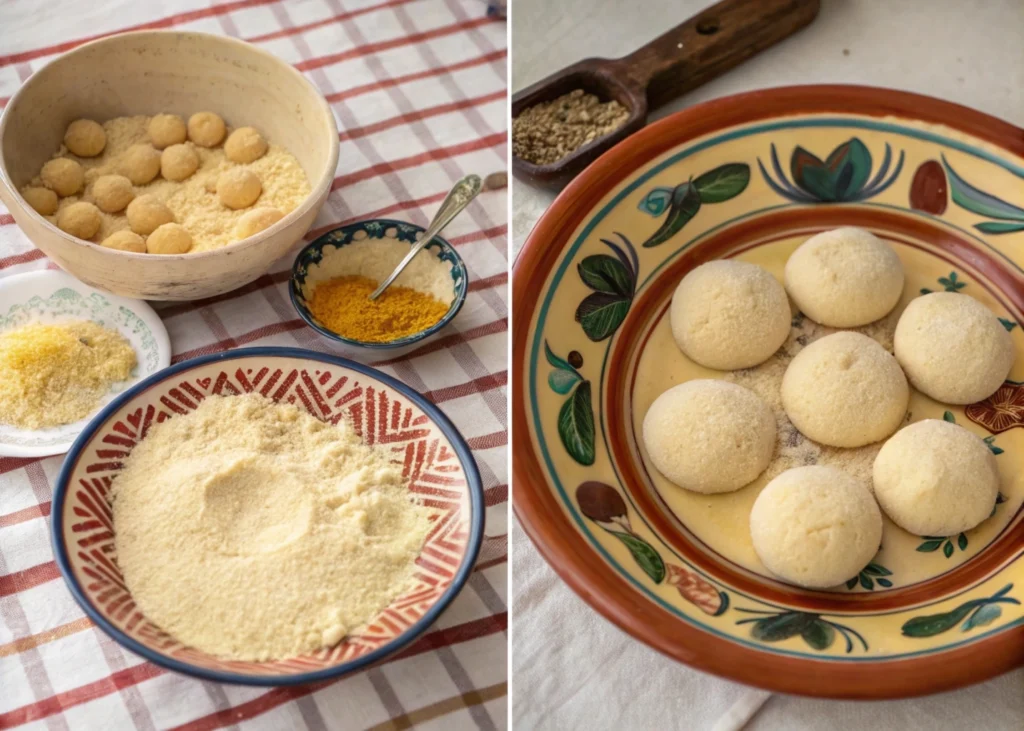
- Divide the dough into equal portions, about the size of a small orange.
- Roll each portion into a ball, then gently flatten it into a disc approximately ½ inch thick
3. Cooking to Perfection
The final step brings your Harcha to life:
- Place a skillet or non-stick pan over medium heat to warm it up. No need to add oil or butter Harcha cooks dry.
- Place the discs onto the heated surface. Cook each side for 5–7 minutes, or until it turns golden brown.
- Flip gently and cook the other side, ensuring even crispiness.
Tips for Perfect Harcha Every Time
While the recipe is straightforward, these tips can help you avoid common pitfalls:
- Use fine semolina: Coarse semolina may result in a gritty texture.
- Don’t overwork the dough: Over-mixing can make the bread dense.
- Test the pan’s heat: Too hot, and the bread will burn; too low, and it won’t crisp properly.
- Rest the dough: Letting the dough sit for 10 minutes allows the semolina to absorb moisture, making shaping easier.
Serving Suggestions for Moroccan Harcha
One of the reasons Harcha is so beloved is its versatility. Here’s how you can serve it:
Sweet Pairings
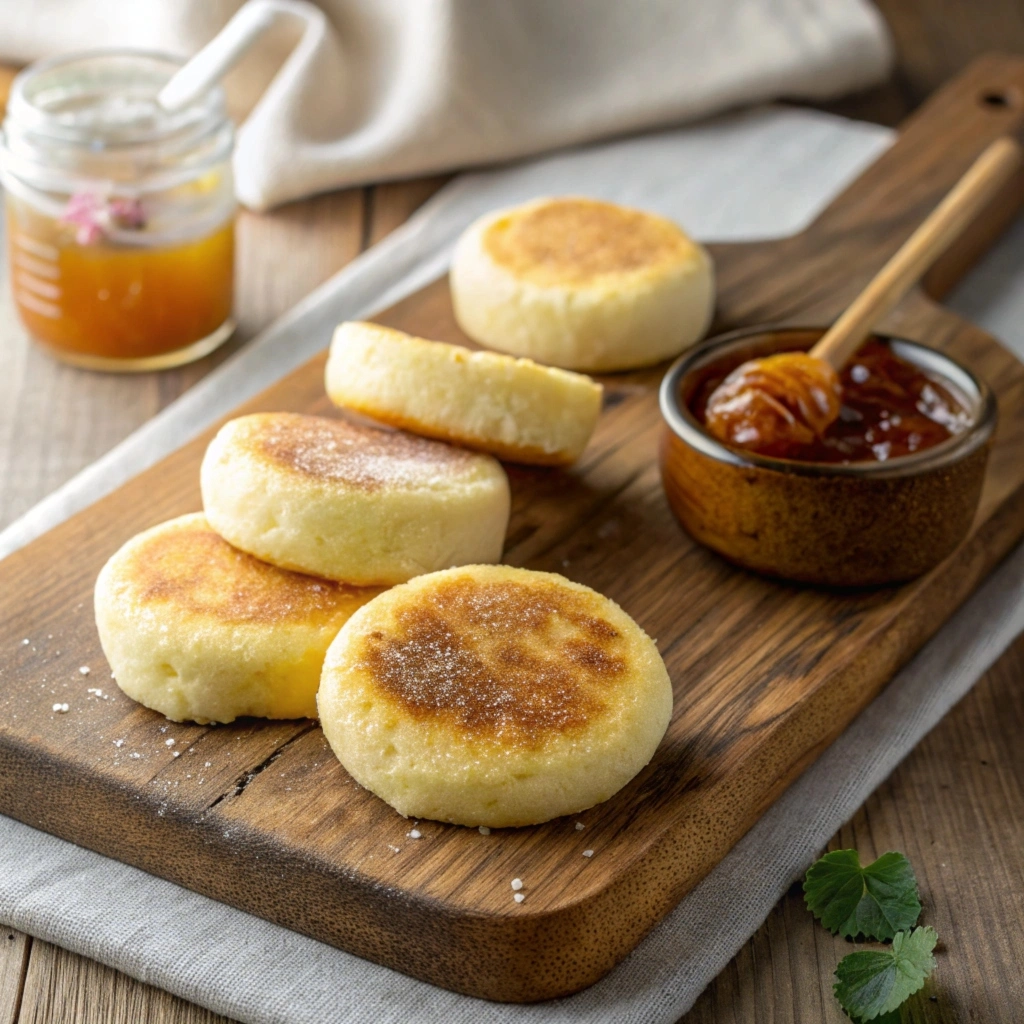
- Drizzle with honey and a pat of butter for a traditional Moroccan treat.
- Spread with jam or Nutella for a kid-friendly twist.
Savory Options
- Top with cream cheese and a sprinkle of za’atar for a Middle Eastern flair.
- Pair with olive tapenade or avocado slices for a modern take.
As a Side Dish
- Serve alongside harira (Moroccan soup) or a tagine for a complete Moroccan meal.
Why You’ll Love Making Harcha at Home
There’s a unique sense of satisfaction that comes from making a dish from scratch. When you make Harcha at home, you’re not just following a recipe; you’re connecting with Moroccan traditions and crafting a dish filled with warmth and love.
What sets Harcha apart is its simplicity. With just a handful of ingredients, you can create a bread that feels indulgent yet approachable. Plus, the flexibility of this recipe means you can adapt it to your preferences whether that’s adding a touch of sweetness or experimenting with savory spices.
FAQs About Moroccan Semolina Bread Harcha Recipe
Q1: Can I make Harcha gluten-free?
Absolutely! You can substitute fine semolina with gluten-free semolina or almond flour. The texture might differ slightly, but the outcome will still be delicious.
Q2: What’s the best way to store Harcha?
Harcha is best enjoyed fresh. However, you can store it in an airtight container at room temperature for up to two days. To reheat, warm it in a skillet for a few minutes.
Q3: Can I freeze Harcha?
Yes, Harcha freezes well. Let the bread cool completely, then wrap each piece in plastic wrap and store in a freezer bag. Reheat directly from frozen in a pan or microwave.
Q4: What if I don’t have fine semolina?
If fine semolina isn’t available, pulse regular semolina in a food processor until it reaches a finer consistency.
Call to Action: Bring Moroccan Harcha to Your Table Today!
Now that you know the secrets to making authentic Moroccan semolina bread, it’s time to roll up your sleeves and get started. Imagine serving warm, golden Harcha at your next gathering, wowing your friends and family with its unique flavor and texture.
Don’t forget to share your experience! Post pictures of your homemade Harcha, and tag us to inspire others to try this delightful Moroccan classic. Let’s keep the tradition alive one delicious bite at a time.